Tools

The kit behind the documentation.

Nothing here is gear for its own sake. Every tool exists to make the file more complete and harder to argue with: hardware that captures the loss before demolition and drying change it, and software Atlas builds to move the file through faster. Here is what is in the kit, and what each piece is actually for.

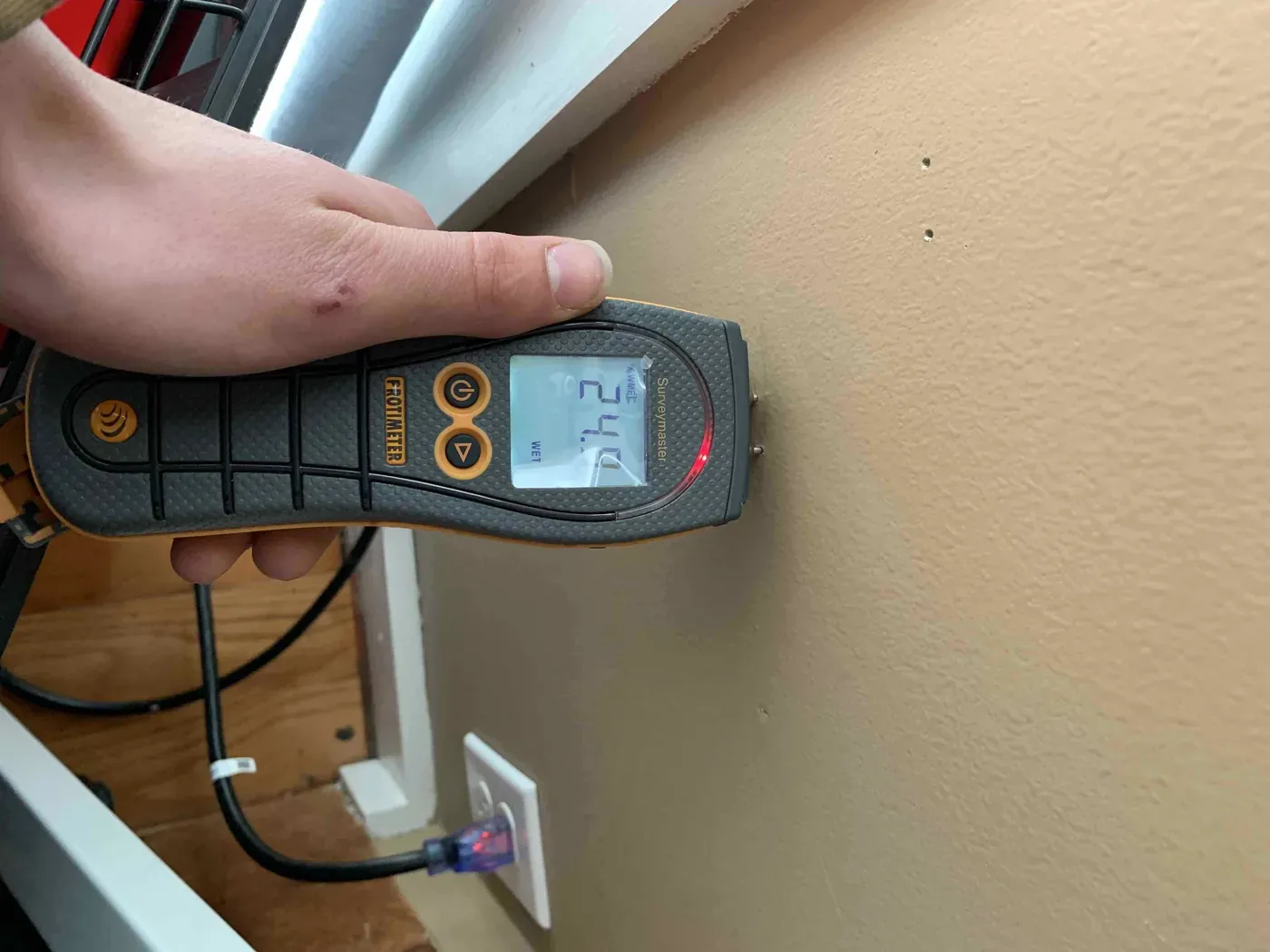
A pin-type moisture meter held against a wall, its display reading a high moisture level marked WET.

Hardware

What captures the loss.

On-site equipment that turns a damaged building into a record: measured, imaged, and locked to the condition it was in the day Atlas walked it.

Matterport 3D capture

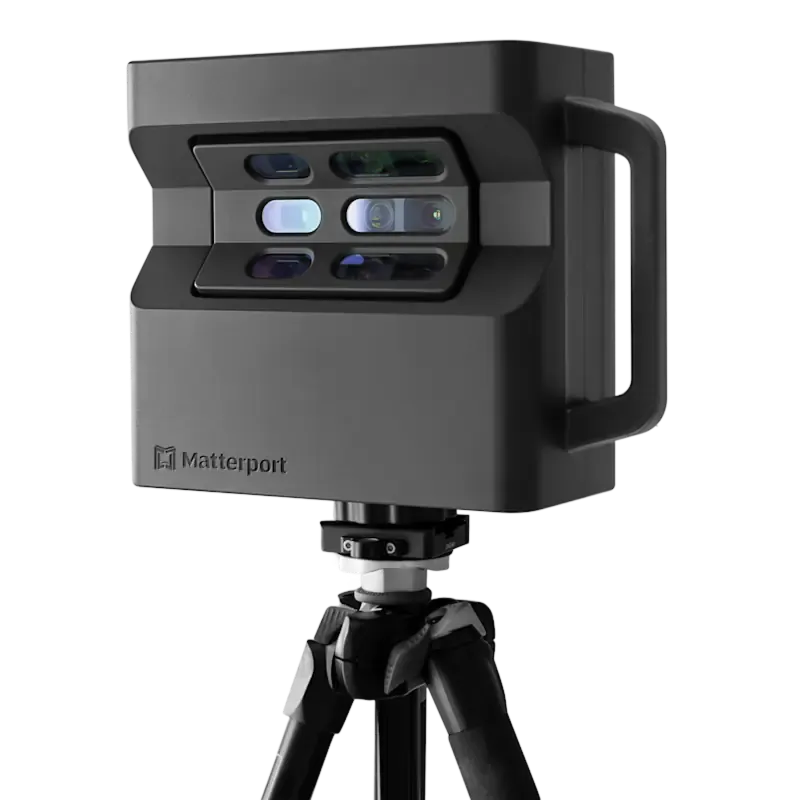
A Matterport scan turns the loss into a permanent, walkable record: a hosted 3D walkthrough anyone on the file can revisit, plus an accurate schematic floor plan. It is settlement-grade documentation of the loss, captured before demolition and drying erase what the damage actually looked like, measurable and time-stamped instead of remembered.

  • $289 flat
  • up to 3,500 sq ft
  • 90 days hosting included
Book a Matterport scan See an example Matterport walkthrough →

A Matterport-hosted demo space, shown as an example of the walkthrough format — not an Atlas project.

A Matterport 3D camera mounted on its tripod.
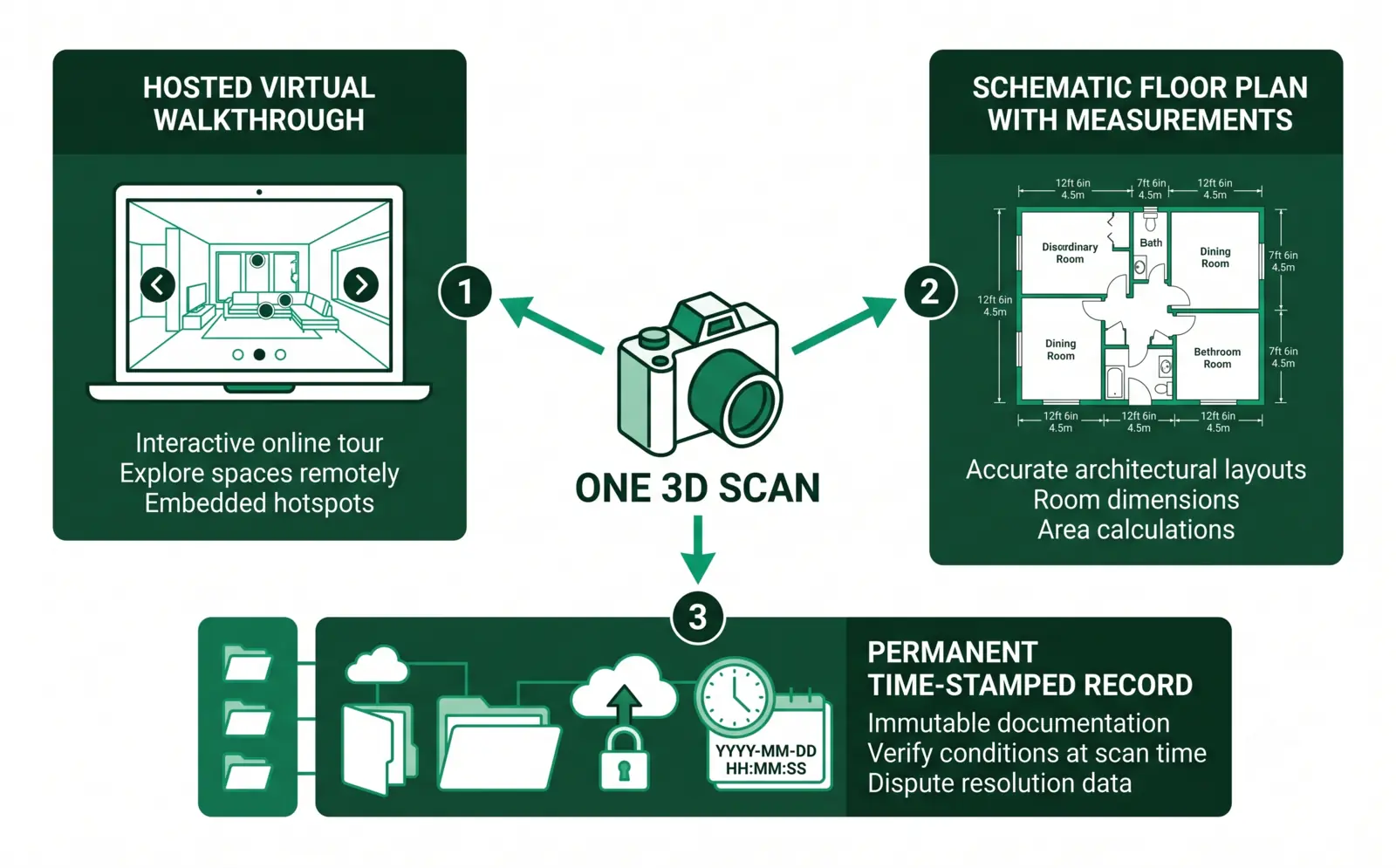
A diagram of one 3D scan producing three deliverables: a hosted virtual walkthrough, a schematic floor plan with measurements, and a permanent time-stamped record.
What a Matterport capture delivers.
  1. 1Hosted virtual walkthrough
  2. 2Schematic floor plan with measurements
  3. 3Permanent time-stamped record

Thermal imaging

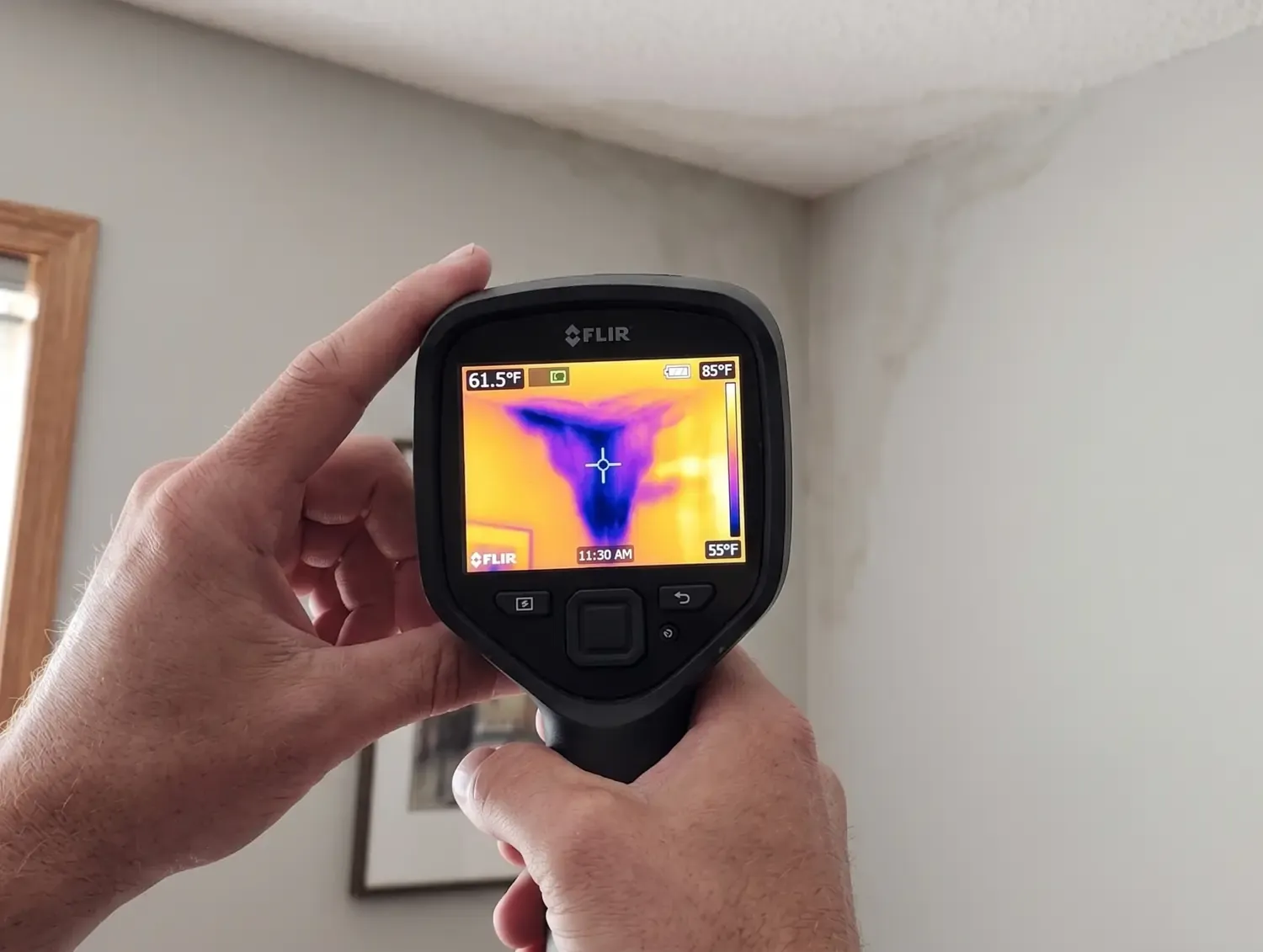
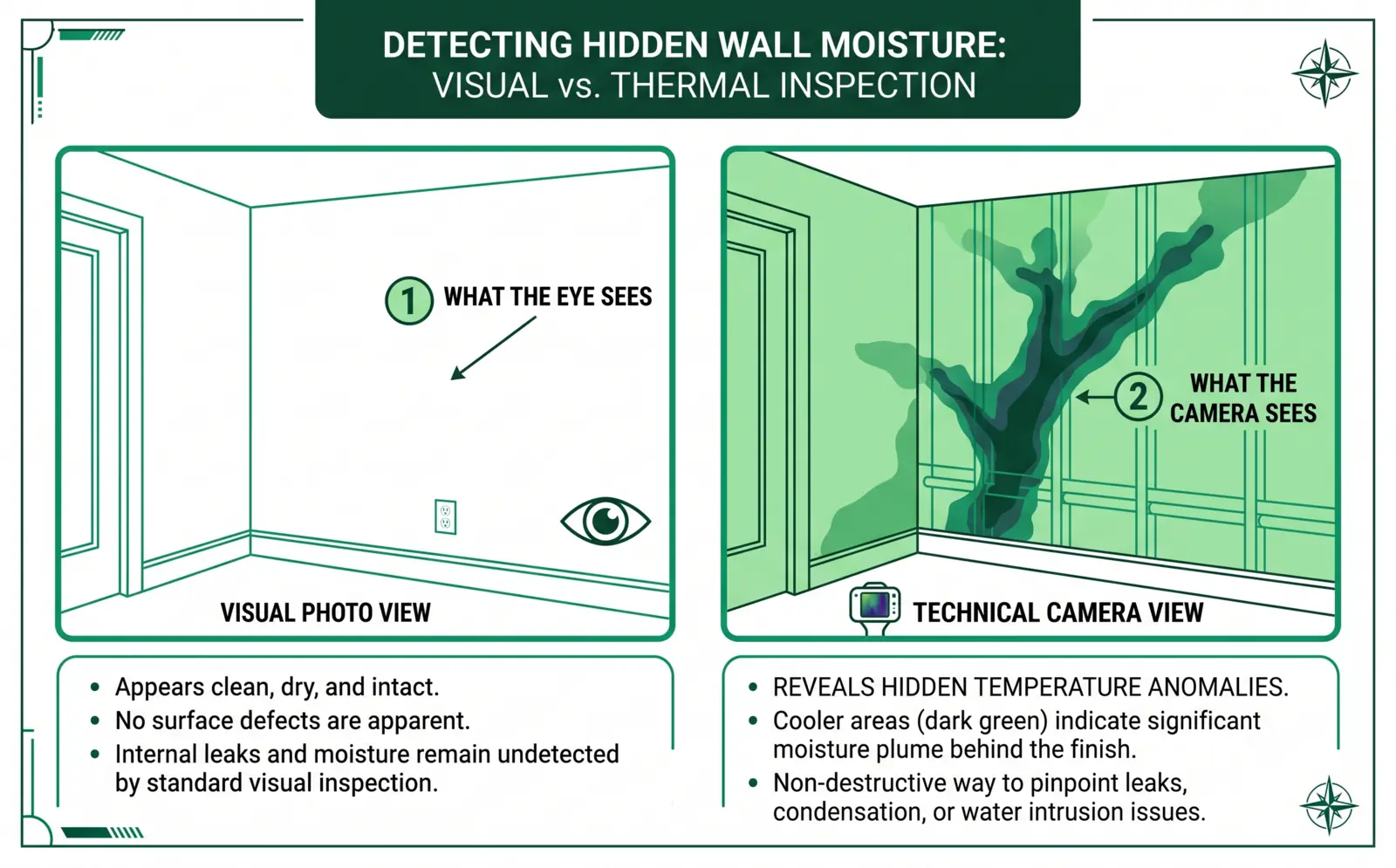
Infrared imaging makes moisture behind finishes visible: the water tracked into a wall cavity or under a floor with nothing to show on the surface yet. It is how migration gets traced across large assemblies: a whole ceiling, a stacked wall, a long run of subfloor, mapped for where the water actually went.

Thermal supports the moisture meter. It never replaces it. The camera shows where to probe; the meter confirms the reading that goes in the file.

A handheld thermal camera in use, its screen showing a moisture pattern on the wall it is aimed at.
A side-by-side comparison of a wall in normal light versus thermal imaging, where the thermal view reveals hidden moisture behind the finish.
The same wall, in normal light and in thermal.
  1. 1What the eye sees
  2. 2What the camera sees

Aerial documentation

Roof and exterior capture from above: elevations, slopes, and the parts of a loss that are not safe to reach from a ladder. Certification is in progress; this goes live only when it is ready. Until then Atlas books and performs no aerial work. It is listed here so you know it is coming, not offered.

Coming soon

FAA Part 107 certification in progress

Software

What moves the file.

Analysis and tooling Atlas brings to the work: one that reads two estimates against each other, and one that gets built to fit your workflow.

Estimate comparison & reconciliation

Two estimates, read line by line. Atlas reconciles one estimate against the documented scope, matching items, flagging what is missing, and reporting the differences in plain, neutral terms. It is an analysis of the documentation, available as part of an Atlas engagement: a capability the licensed professional puts to work, not a product bought off a shelf.

Talk to Atlas about a comparison
Custom-built tools

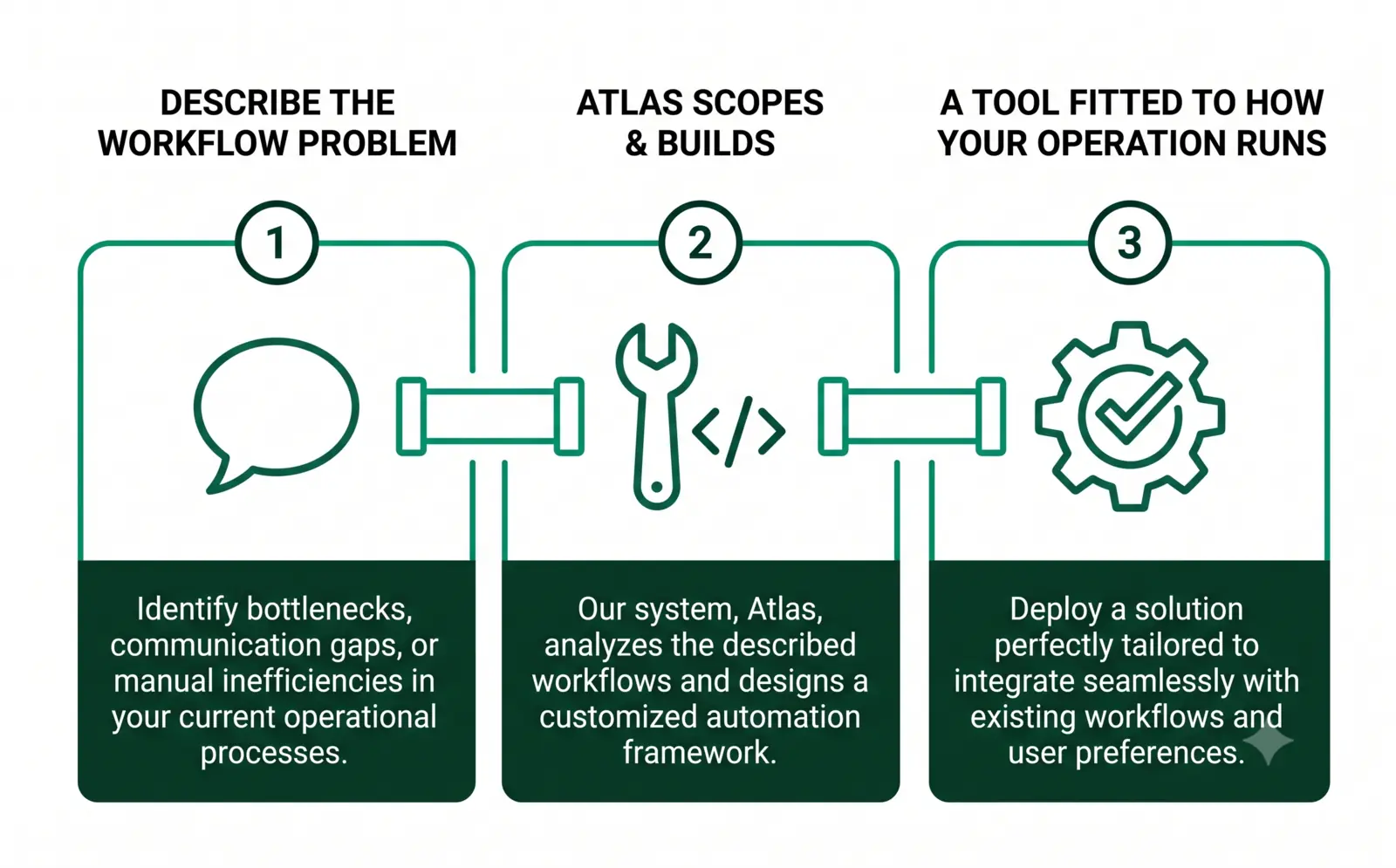
Bring the workflow problem (intake, job tracking, reporting, document generation), and Atlas scopes and builds a tool around it. This is not theoretical: Atlas runs on software it built for itself, including its own client portal, job tracking, and invoicing. The same approach, pointed at your bottleneck.

Describe the problem
A three-step diagram: describe the workflow problem, Atlas scopes and builds, and a tool fitted to how the operation runs.
How a custom build runs
  1. 1Describe the workflow problem
  2. 2Atlas scopes and builds
  3. 3A tool fitted to how you run
Have a loss to document, or a workflow to fix?
Send one file, or tell Atlas what is slowing the work down. Either way you will see the standard first.